HYBRID EVENT: Join us in person in Tokyo, Japan or attend virtually from anywhere.
6th Edition of
World Congress on Aquaculture, Fisheries & Marine Biology
October 8-10, 2026 | Tokyo, Japan
Aquaculture Products
Aquaculture Products
Aquaculture products provide a diverse range of seafood items, including fish, shellfish, and algae, as well as specialized products like pearls and fish oils. These products not only serve the food industry but also contribute to cosmetics, pharmaceuticals, and even biofuel production. With global demand for sustainable seafood on the rise, aquaculture supplies high-quality, consistent products that reduce pressure on wild fish stocks. Innovations in feeds and farming techniques help produce environmentally friendly and ethically sourced products. From staple foods to niche items, aquaculture products support economic growth and are essential for meeting global protein and health needs.
Committee Members
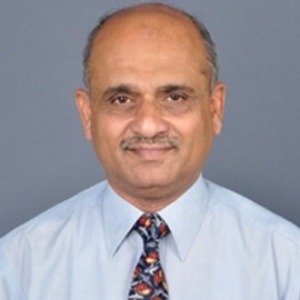
Atul Kumar Jain
Ornamental Fisheries Training and Research Institute, India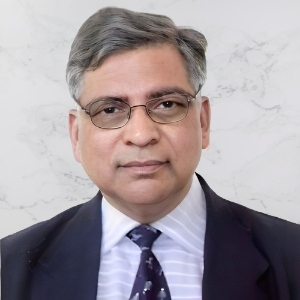
Virendra Kumar Goswami
Indian Institute of Technology & Environment and Peace Foundation, India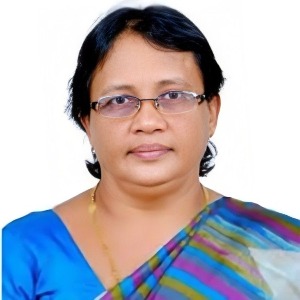
T V Anna Mercy
Kerala University of Fisheries and Ocean Studies, India WAC 2026 Speakers
Thomas Coates
Animal Research Initiative, United States
Adam Bell
PISCIS-AQUA LLC, United States
Julita Gutkowska
National Marine Fisheries Research Institute (NMFRI), Poland
Violetta M Yurakhno
A. O. Kovalevsky Institute of Biology of the Southern Seas of RAS, Russian FederationSubmit your abstract Today


Title : The paradox of an ocean nation: Why Fiji imports seafood despite its abundant marine resources
Hiroshi Taniguchi, Free Bird Institute, Fiji
Title : Shifting horizons in global ornamental fish trade: Trends, transitions, and emerging market dynamics
Atul Kumar Jain, Ornamental Fisheries Training and Research Institute, India
Title : Integrating art, science and rural development: The multifaceted role of aquarium keeping
T V Anna Mercy, Kerala University of Fisheries and Ocean Studies, India
Title : Haringhata fish: A concept of responsible farming with sensible marketing for better livelihood and sustainable development
Subhas Das, The University of Burdwan, India
Title : Conditionally pathogenic microparasites (microsporidia and myxosporea) of mullet fish-potential objects of mariculture in the Black and Azov Seas
Violetta M Yurakhno, A. O. Kovalevsky Institute of Biology of the Southern Seas of RAS, Russian Federation
Title : Earthworm vermicompost to enhance shrimp Litopenaeus vannamei growth and inhibit AHPND disease in an experimental culture
Gerardo Rodriguez Quiroz, Instituto Politecnico Nacional, Mexico