
7th Edition of
World Congress on Aquaculture, Fisheries & Marine Biology
Aquatic Resource Managers
Aquatic Resource Managers are professionals dedicated to the sustainable use, conservation, and management of freshwater and marine ecosystems. They oversee the responsible allocation and protection of aquatic resources such as water bodies, wetlands, fish stocks, and aquatic vegetation. Using ecological assessments, water quality data, and habitat monitoring tools, they develop management plans that balance environmental health with human needs—including fisheries, agriculture, recreation, and urban development. Their work is crucial for maintaining biodiversity, supporting ecosystem services, and mitigating the impacts of pollution, overuse, and climate change. These managers collaborate with policymakers, conservation organizations, indigenous communities, scientists, and industry stakeholders to ensure resource governance is inclusive and science-based. They also engage in habitat restoration projects, regulatory enforcement, environmental education, and stakeholder consultation processes.
By integrating ecological principles with policy and land-use planning, Aquatic Resource Managers help ensure long-term water security, healthy aquatic habitats, and sustainable livelihoods. They play a vital role in adapting management strategies to meet emerging challenges such as drought, invasive species, and rising water demand. Through holistic and adaptive approaches, these professionals safeguard the integrity of aquatic systems for both present and future generations. They also implement data-driven tools like GIS mapping and remote sensing to monitor resource changes and guide conservation efforts. Through cross-sector collaboration and community engagement, Aquatic Resource Managers promote resilient aquatic ecosystems that support both ecological and human well-being.

Joni Lee Giovanna Hesley
Emerita CropKing, United States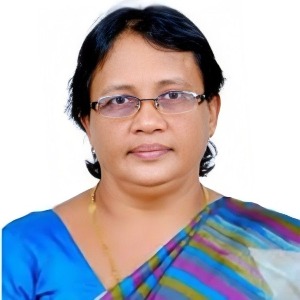
T V Anna Mercy
Kerala University of Fisheries and Ocean Studies, India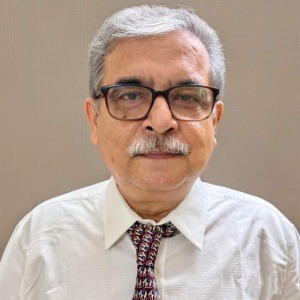
Nitai Chandra Kundu
Centre for Environmental Management and Participatory Development, IndiaSubmit your abstract Today


Title : Effect of dietary inclusion of carbohydrate-enriched Chlorella vulgaris on growth performance and water quality in Ctenopharyngodon idella
Sadaf Aman, Minhaj University Lahore, Pakistan
Title : Parasites hazardous to the health of commercially important fish species in the Black Sea and the Sea of Azov
Violetta M Yurakhno, A. O. Kovalevsky Institute of Biology of the Southern Seas of RAS, Russian Federation